Saturday, March 10, 2012

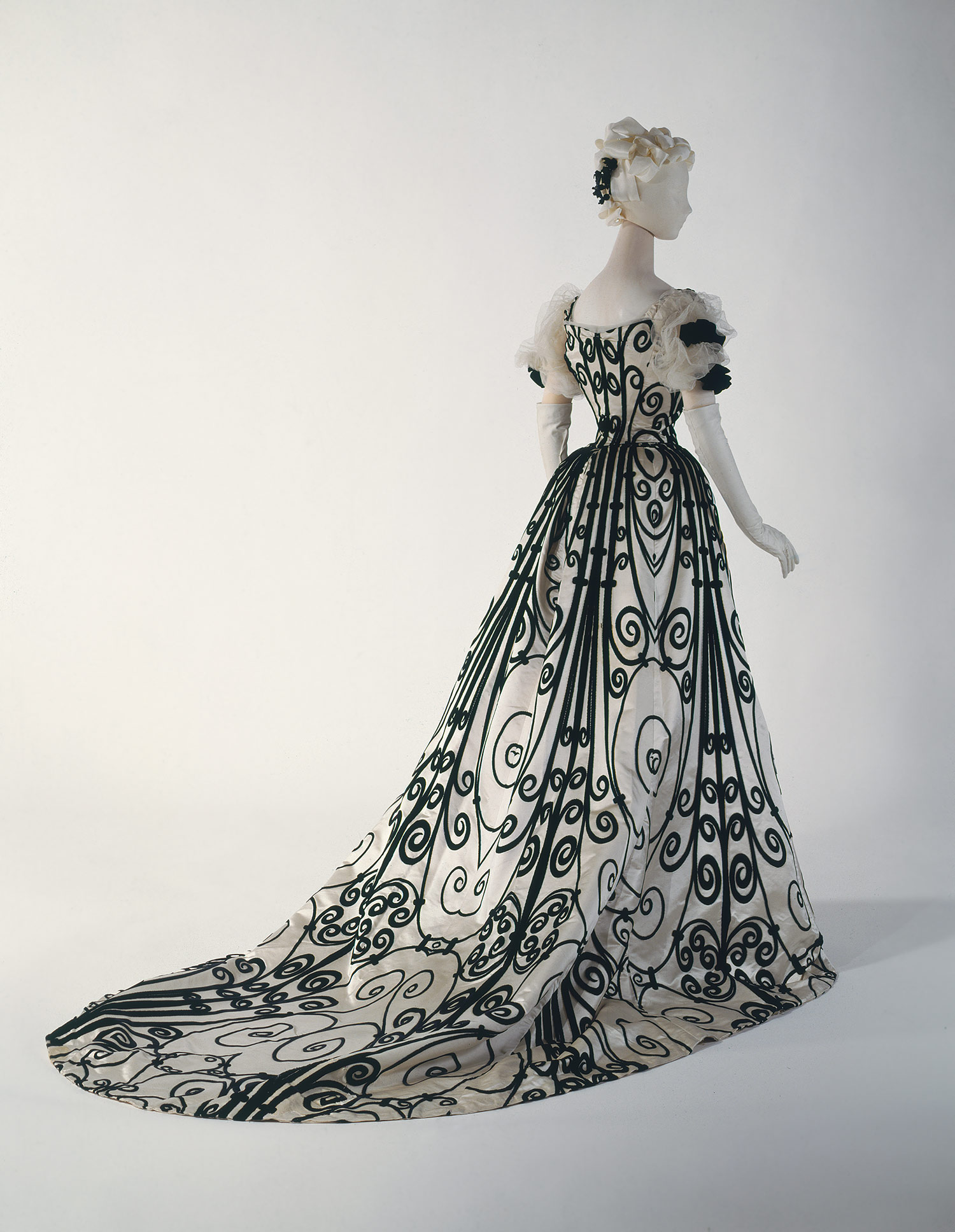
Jeff's Met Picks: House of Worth

Evening dress, 1898–1900
House of Worth (French, 1858–1956)
Silk


The often forgotten Costume Collection features this gown by one of the very first couturiers, Charles Fredericke Worth. It is a remarkable example of the prevailing design form of the day, the one that preceded Art Deco, called Art Nouveau.

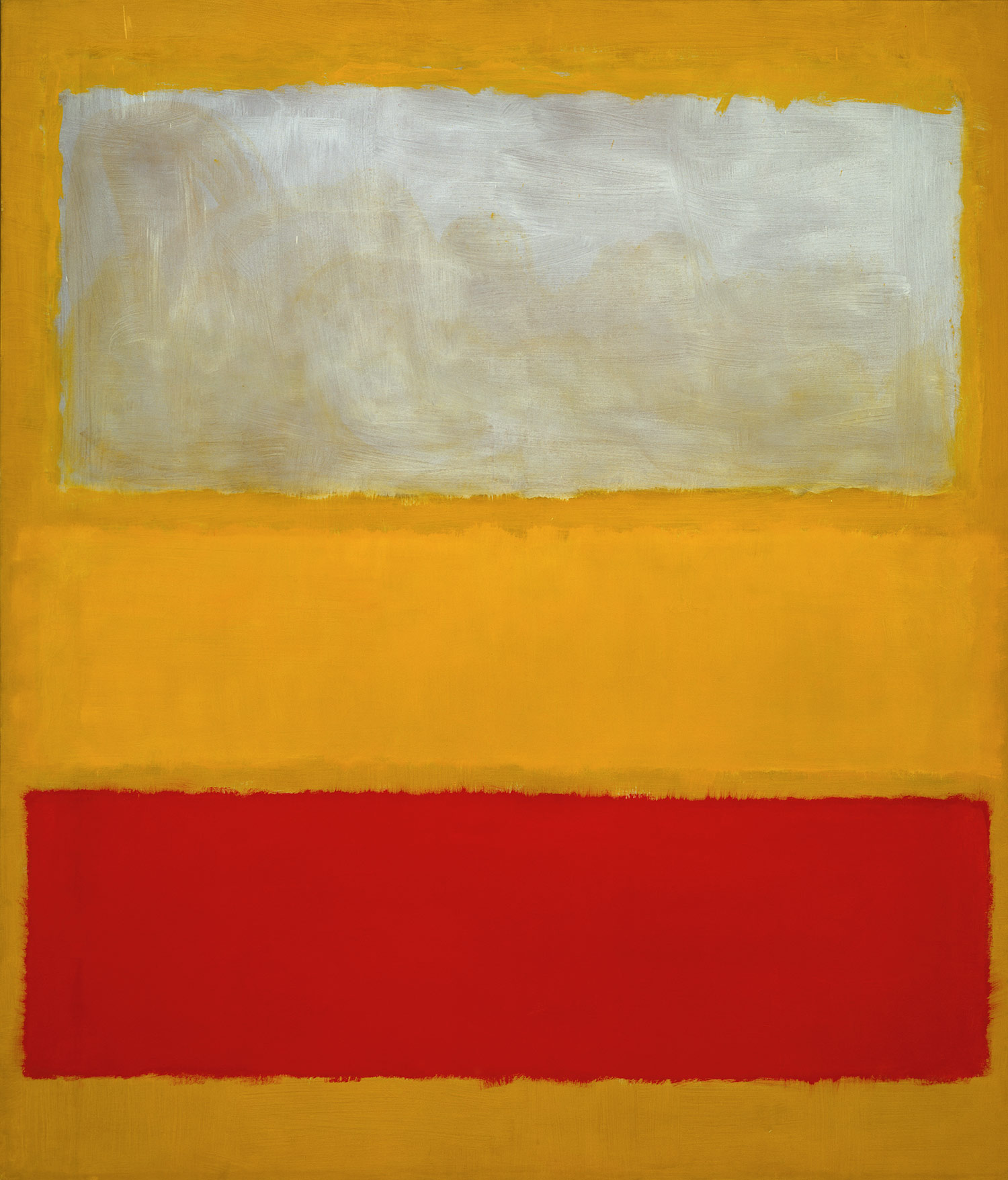
Jeff's Met Picks: Rothko

No. 13 (White, Red, on Yellow), 1958
Mark Rothko (American, born Russia, 1903–1970)
Oil and acrylic with powdered pigments on canvas


Emerging from the horrors of two world wars, Rothko was on the avant-garde of a series of artists who felt that representational art no longer expressed the emotional scars of grief and horror that had scoured the entire earth. So he turned completely to abstraction.  Bypassing all the literary parts of our brain, Rothko generates pure emotion in his "windows on the universe." I look in his paintings, and catch a glimpse of eternity. I can stand in front of them for hours.

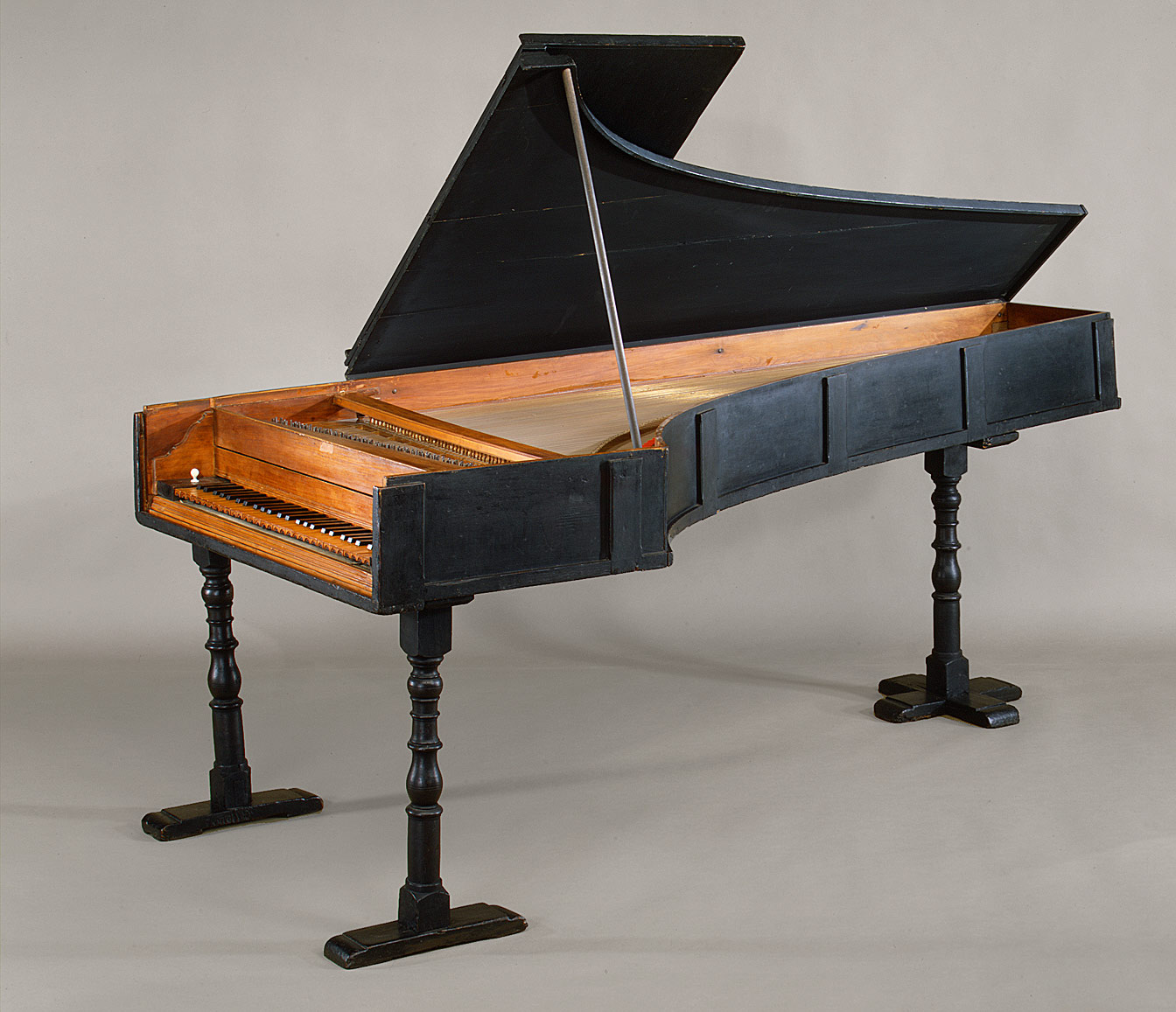
Jeff's Met Picks: Cristofori's piano et forte

Grand Piano, 1720
Made by Bartolomeo Cristofori (Italian, 1655–1731)
Florence, Italy
Various materials


One of four extant pianos in the world created by the very inventor of the piano (or pianoforte as it was known), Bartolomeo Cristofori. Without this, we would not have has Bach or Mozart or Beethoven or Liszt, or Rachmaninoff or Debussey or ...

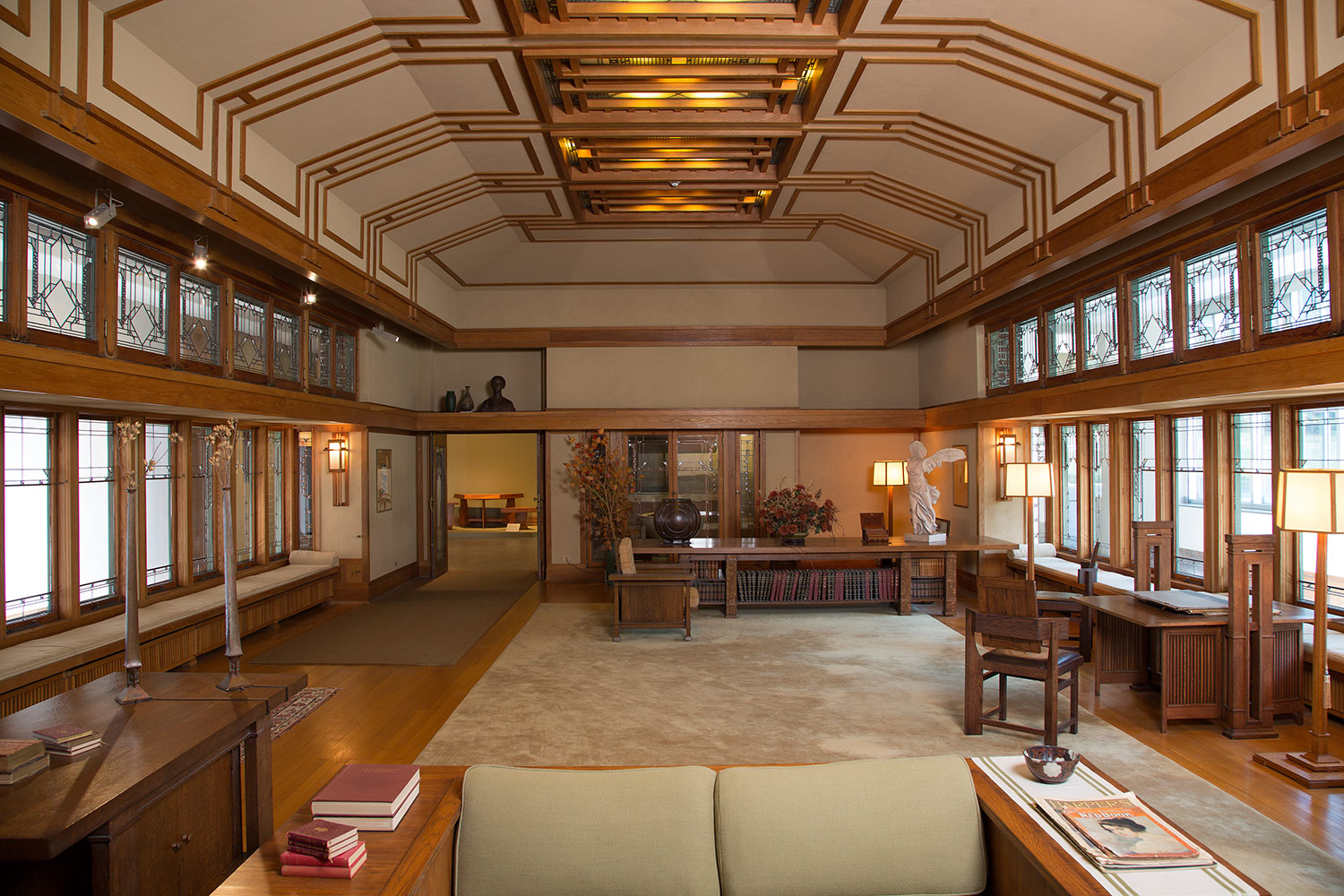
Jeff's Met Picks: Frank Lloyd Wright

Living room from the Little House, Wayzata, Minnesota, 1912–14
Frank Lloyd Wright (American, 1867–1959)


This living room is a wonderful synthesis of everything Wright tried to establish as modern, inviting, open living spaces, where family could convene, relax, and commune. It's influences come from the earth, from Japan, from the prairie. It is a conversation with the world.

Jeff's Met Picks: Alexander Calder

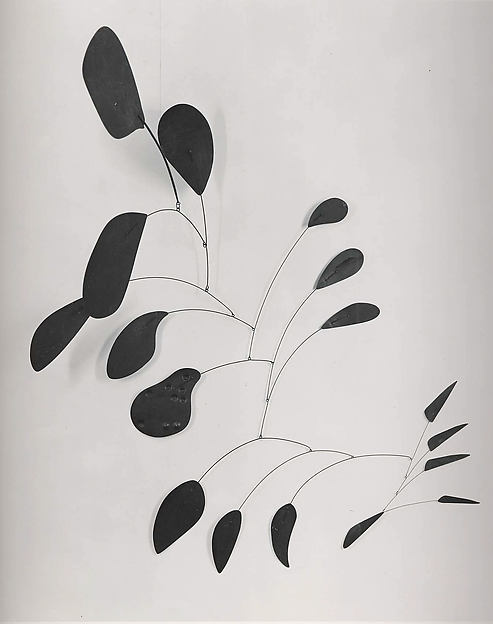
Mobile
Alexander Calder  (American, Philadelphia, Pennsylvania 1898–1976 New York City)
Alexander Calder invented the mobile in 1931, which was christened by his friend Marcel Duchamp. You may have had one dangling over your cradle. Calder's works are all over the world--some of the greatest public art we know. And, they change and move and dance and flow. Miracles of art on a string.

Jeff's Met Picks: Rodin

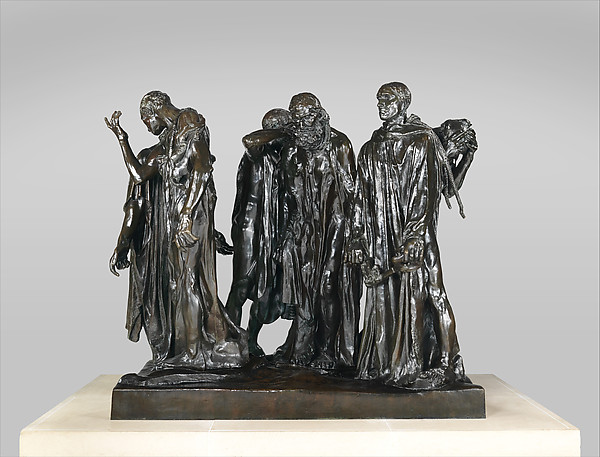
The Burghers of Calais
Auguste Rodin  (French, Paris 1840–1917 Meudon)


*******


After visiting the Rodin Museum in Paris and observing the painstaking process Rodin went through to achieve this monumental sculpture, each of the six figures agonized over in rendering after rendering and grouped together in any number of sculptural sketches, it is a wonder he ever sculpted anything else, let alone thousands of pieces of everything from mythological figures, to fantastical Biblical explorations, to busts and figures of his contemporaries, some of the greatest thinkers and artists the world ever produced. Do you remember the conversation the Burghers are having here? If not, we'll go see it again and listen to them.

Jeff's Met Picks: Turner

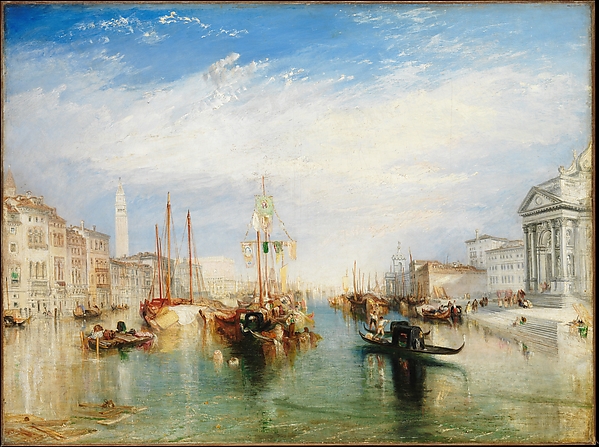
Venice, from the Porch of Madonna della Salute
Joseph Mallord William Turner  (British, London 1775–1851 London)
Turner's incredible use of "atmospherics" are so masterful, you can almost smell Venice as you stand before this enormous and enormously detailed painting.

Jeff's Met Picks: Bronzino

Portrait of a Young Man
Bronzino (Agnolo di Cosimo di Mariano)  (Italian, Monticelli 1503–1572 Florence)

Something in the way Bronzino caught the confidence, immortality and naiveté simultaneously in this painting of a young man always struck me with great clarity of purpose making it one of my favorite paintings at The Met.

Jeff's Met Picks: El Anatsui

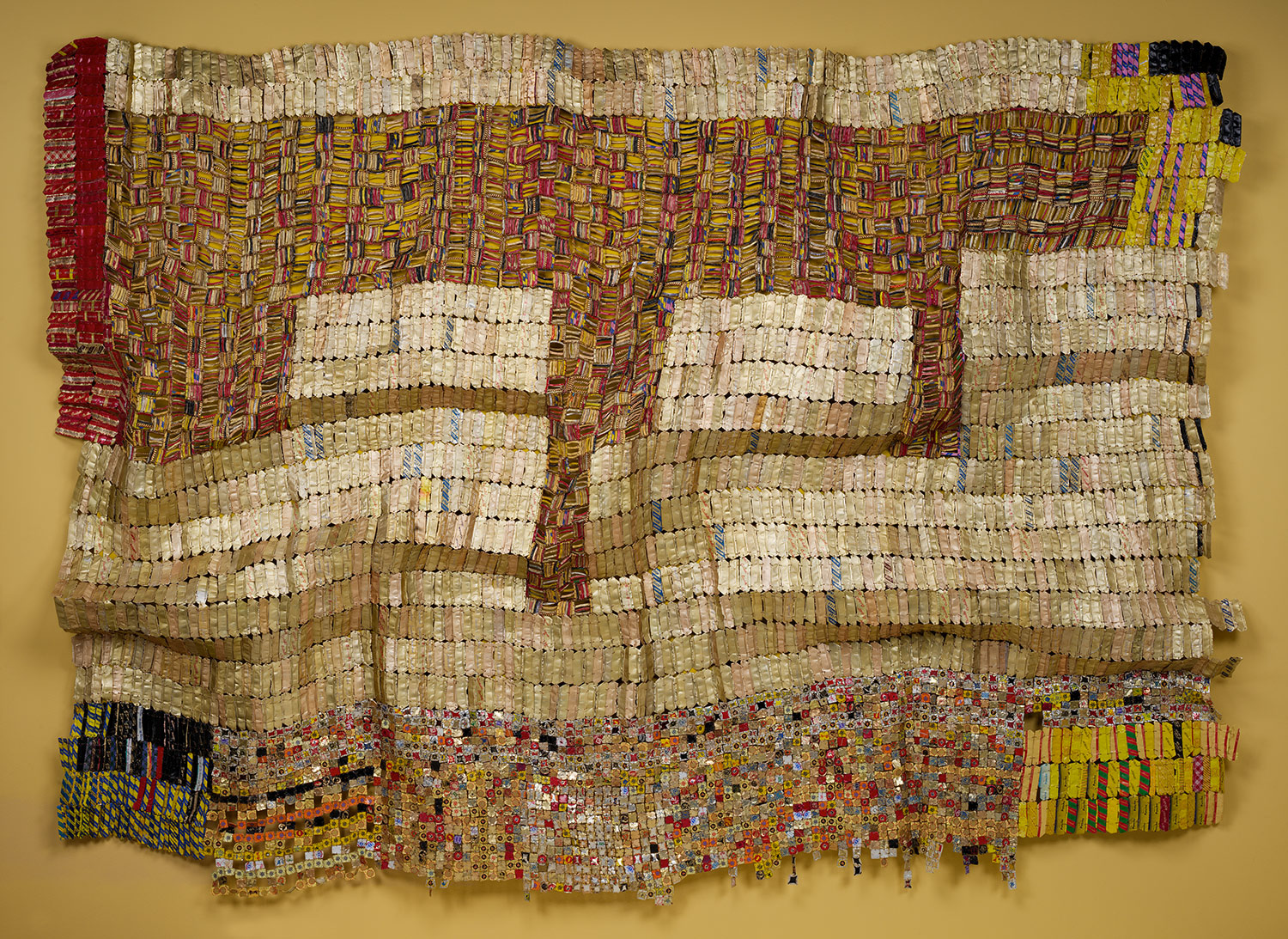
Between Earth and Heaven, 2006
El Anatsui (Ghanaian, b. 1944) 
Aluminum, copper wire


A recent acquisition, I pretty much stumbled upon this enormous, undulating work of such tactile intricacy and detail that I found myself that afternoon felled and moved to tears by its impact. I don't often put great stock in titles as good art speaks better for itself, but "Between Earth and Heaven" is as appropriate here as it is evocative, and informed my experience of the work.

New New York: 15 Central Park West


I'm old enough to remember the declining elegance of the old Mayflower Hotel, which was razed to make way for this sparkly, stately, mildly over-the-top apartment building at the southern end of Central Park West. It is not terribly interesting, but the design team worked hard to nod their heads to the old-world old-monied buildings in the immediate neighborhood while upping the ante slightly when it comes to pizzazz. The roofline looks like a Roman village in Tuscany.  It is or already has been home to actor Denzel Washington, NASCAR driver Jeff Gordon and chairman Brian France, musician Sting, director Norman Lear, real estate developers Aaron & William Zeckendorf, Citigroup chairman Sandy Weill and many high network financial executives. Picture yourself in one of these sumptuous apartments. Then picture me, picturing myself there.

New New York: 2 Columbus Circle


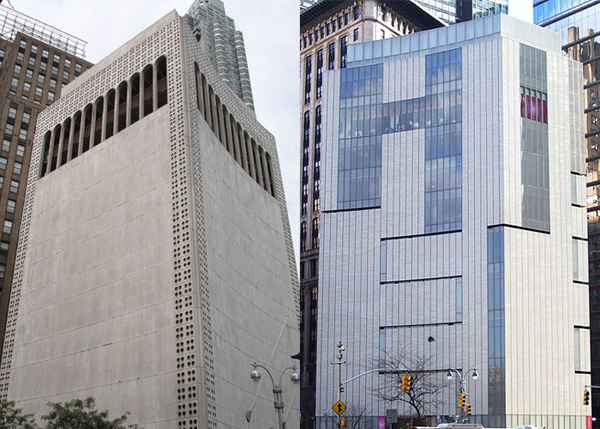
I am one of the few people I've ever talked to who loved Edward Durell Stone's home for the art collection of A&P heir Huntington Hartford. Passing the enormous mass of Vermont marble, I always felt as though I were in a quarry, watching a Venetian palace being sculpted from the mountainside. It's elegant arches and simple lacy touches seemed to draw Lincoln Center further south into Clinton and the Theatre District. The gentle curves of its unusual facades were sensual and calming. It's lack of windows gave me a great sense of mystery and curiosity.

When it was announced the building, neglected for decades, would be torn down, my heart sank. But the Preservation Commission scurried for Landmark status and won. Architect Brad Cloepfil kept the shape of the building, but relinquished a lot of its boldness, replacing the marble with glazed terra-cotta and a LOT more glass. There is something safe about the redesign that troubles me. It is a mild nod to post-modernism, with some interesting detail, but not the kind of building it once was or could have been.

Friday, March 9, 2012

Etudes in water


As you approach the fountains, you first hear the water. It is soothing. Before you can take in the elegant walls, etched, all the way through I was surprised to see, with all the names of the victims, allowing natural light to come up through the letters giving them a life of their own, I was struck by the sheer scale, the size of the towers that I had somehow forgotten in a decade. Like a reunion with old friends, it was that moment that punched me in the heart. An acre each, these fountains, and it is awesome to behold the footprints once again, the negative space of the mountains I grew up with. The water sprays over the edge in small individual jets, giving it a specificity, a texture, and a mass. As it tumbles down the charcoal gray walls, the feeling of falling is as terrifying as it is inevitable. There is a comfort to that duality. The water then pools at the bottom, resting briefly like peace, placid, clear, forgiving, then falls to the center where a square of darkness swallows it up. That sensation of abyss, of loss still haunts me seven hours later. But I knew, as you will, that the water is pumped up to the precipice to start the journey over again. Nothing is wasted in the universe. I became very aware of the trees next. There are a lot of them, including The Survivor Tree, the one tree that lived beyond 2001 and was replanted in a grove that is airy and wide and as somber as it is peaceful. One can go any number of places and be alone, as I did, in this plaza of grace. Then, I took in the names. Having spoken in numbers for years, I found it a very different difficult experience to run my hands over the letters that were once a person. Wherever you stop, you can take in perhaps six names. And you can stop in hundreds of places. This is memorial art at its best: purposeful, durable, reflective, and forward-looking, dense and lithe as liquid. I suspect I won't ever forget my morning, my mourning, and the acres of the bluest sky I can remember over my head today.

Thursday, March 8, 2012

Lost New York City: Madison Square Garden II


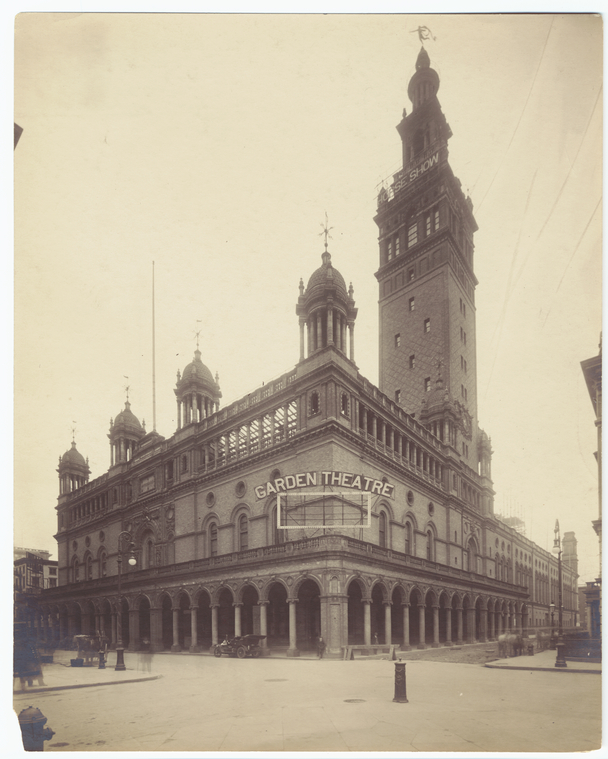
Madison Square Garden, despite sitting at 33rd Street and 8th Avenue today, got its name from the first Garden which sat on Madison Square where Broadway and Fifth Avenue collide. The Garden pictured above, designed by Stanford White, was the second and the most famous and elaborate. Like something out of Moorish Venice, the bulk of the building resembled the Doge's Palace, with its lavish arcade and series of turrets. The tower was a stunner, based on the Giralda Tower of Seville Cathedral in Spain. Topped with a statue of Diana, the Goddess of the Hunt, designed by America's most celebrated sculptor, Auguste Saint-Gaudens, it added an unmistakable element to the burgeoning NYC skyline. P.T. Barnum often used the interior's enormous stadium to stage his spectacles. In perhaps the most scandalous event at the Garden, on the rooftop restaurant, Mr. White was entertaining the otherwise married actress Evelyn Nesbitt, whose husband got wind and promptly arrived at the Garden, went to the rooftop, and shot America's most famous architect to death.

Lost New York City: New York Herald Building


1895-1921
The New York Herald was the most popular newspaper in the country in 1845. In 1893, Stanford White of McKim Meade and White, was commissioned to build these headquarters with its circular lobby and rooftop of angels at the northern triangle where Broadway slashes across 6th Avenue, giving this plaza its new and forever name--Herald Square. Eventually, the Sixth Avenue elevated train line would rattle right past its eastern flank, hiding much of the grace and splendor of this building, a building that lent perfect harmony and proportion to this odd tract of land, much like the city that seems to turn chaos into order wherever one looks. Topped with a magnificent clock tower called 'Heralding Time,' depicting Minerva, the Goddess of Wisdom and two bronze bell-ringers who swivel at the hips and strike the bell upon the hour, the building was sadly razed in 1921, as The Herald had merged with Horace Greeley's The Tribune and needed larger accommodation. Luckily, they saved the bell. And in the middle of Herald Square, right across from the R.H. Macy Emporium, one can still watch "Ogg' and 'Gogg,' as the are called, ring away to this day.day.

Lost New York City: City Hall Post Office and Courthouse


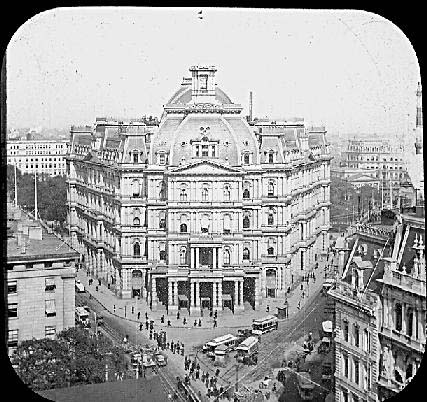
There was a time when these Victorian confections assaulted the eye in almost every major city in the country. But NYC was home to an inordinate amount, and the architecture can still be found on a smaller scale in some of the old department stores in Chelsea and SoHo. Even Macy's employs these "Second Empire Baroque" elements. But the City Hall Post Office was a DOOZY! With it's ornate, curved, mansard roofs topped with cast-iron candy, the hundreds of columned windows and balustrades, and the way the whole thing wraps around the triangular lot in a kind of bulky, outrageous, almost intimidating way, earned it (and its architect) the nickname "Mullet's Monstrosity." Having said all that, there is an audaciousness to this building that I find appealing, and my eye wanders over the photo with gratitude for the incredible detail one finds at every square inch, bringing my mind back to a New York that prided itself on its elegance, its effrontery, its largesse.


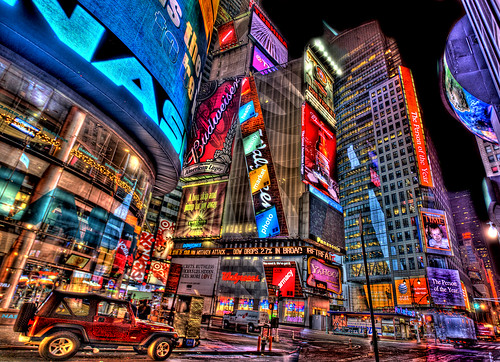
Times Square times thirty.

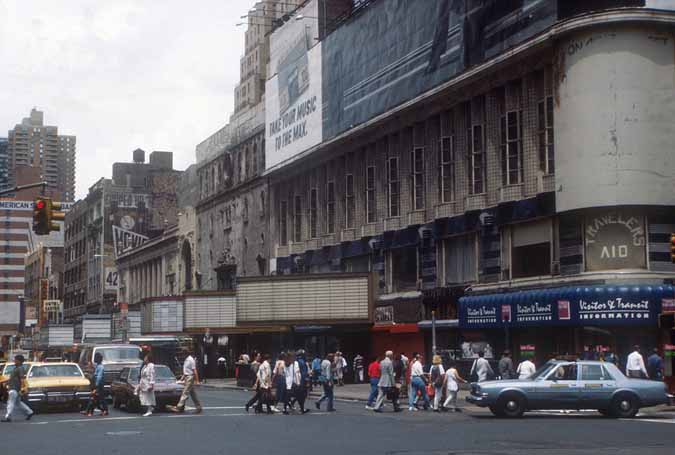
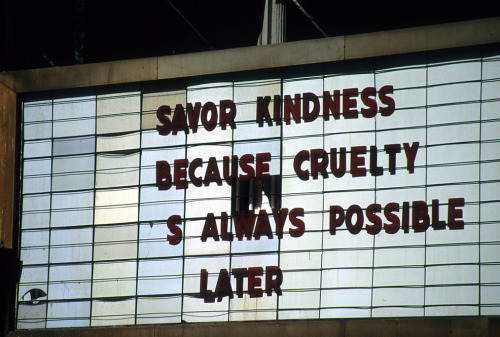
There was a time when time was cruel to Times Square. In the 80s, the grit of neglect had ravaged the heart of the city, and the heart of the city bled in full view of the neglected passers-by. Leases had run out on the grand theatres turned movie palaces turned television studios turned worse. Nathan's left their corner packed up the hot dogs. Homeless youth, dumped a block away at the Port Authority Bus Terminal wandered the square  with fame dancing in their starry eyes, only to be dimmed by this grim reality:


Then, like the breeze of Spring that is presently wafting through my window from that direction, change fell upon the air and art heralded new life and new times in the Square. Artists were commissioned to install works on abandoned storefronts and movie houses and marquees. As in any redevelopment effort, the city wisely realized that any successful improvement in a waning community involved the presence of artists. You see, artists can see through neglect, not by neglecting it, but by analyzing it, scrutinizing it, and finally celebrating it as an inevitable part of history, as a chapter in a book that may turn out quite differently. My favorite part of this process were words. Aphorisms, inscrutable bits of poetry, now appeared on billboards that once read KUNG FU III and THE STORY OF O. Words are the most transformative ammunition in our arsenal of change. And words such as these made us pause, reflect, and look beyond them to the aging beauty of a forgotten era:


People started gathering again in the Square. And when people gather, the wiser but perhaps less lofty of us realize these gatherers have money in their pockets. Money to be gathered from the gathered. And so stores opened, many, many stores, and eateries opened, and Disney re-imagined the lost theatres, and the billboards went higher and brighter and blinked with the frenzy of Las Vegas and beyond. Our Mayor closed down Broadway to vehicles, turning the Square into an enormous outdoor mall. Times Square is now an international spot. Everyone comes to see it when they come to see NYC. This is what NYC is to much of the world, this crossroads of the universe.

And I don't know how I feel about that. The pulse of art has been strangled by the pulse of consumerism. But in the middle of it all is the TKTS Booth, where one can see a Broadway Show for half-price, and a few "parks" of tables and chairs where one might sit and rearrange the frenzy in one's head, pause to take in the throng of humanity passing by, and wonder, "What is the next chapter in this book that never ends?"


Wednesday, March 7, 2012

Copland brings me home.


The city had looked a little dank to me, a little tacky and tasteless having arrived home from Paris. So I'd been listening to another New Yorker who left for Paris in 1917 and nearly never came back, Aaron Copland. But he did return. And wrote this, The Promise of Living. Listen to it. It is uniquely American, specifically of New York. The egalitarianism of the simple melody at first plays out like our youthful vigor. We are a young city in a young country in a much older world. While Paris was alight with wonder, we were finding our way, at times simply, tearfully, brutally, but always boldly and often joyfully. Hear that in this, as I did, and imagine my streets, crowded with people amid soaring towers as this music soars with nothing but hope. Yes. That is the difference here in my hometown. The promise of hope is everywhere and as you hear Mr. Copland at 4:55, remember, only a New Yorker could swell with that kind of joyful promise and that all the dankness and dirt and sadness of these streets is as true as all the glory and wonder and hope of our inimitable skyline, twinkling now in the night, as beautiful as any palace I saw in Paris. We are all, most of us that is, the children of other exotic and far away lands. But thank you for coming home, Mr. Copland. And showing me the way. 

Tuesday, March 6, 2012

The view from my window.

One tends to fret at the site of three ambulances in front of the theatre where Angela Lansbury is starring.

Monday, March 5, 2012

Words beyond sight and sound

January 13, 1932

Dear Dr. Finley:

After many days and many tribulations which are inseparable from existence here below, I sit down to the pleasure of writing to you and answering your delightful question, "What Did You Think 'of the Sight' When You Were on the Top of the Empire Building?"

Frankly, I was so entranced "seeing" that I did not think about the sight. If there was a subconscious thought of it, it was in the nature of gratitude to God for having given the blind seeing minds. As I now recall the view I had from the Empire Tower, I am convinced that, until we have looked into darkness, we cannot know what a divine thing vision is.

Perhaps I beheld a brighter prospect than my companions with two good eyes. Anyway, a blind friend gave me the best description I had of the Empire Building until I saw it myself.

Do I hear you reply, "I suppose to you it is a reasonable thesis that the universe is all a dream, and that the blind only are awake?" Yes – no doubt I shall be left at the Last Day on the other bank defending the incredible prodigies of the unseen world, and, more incredible still, the strange grass and skies the blind behold are greener grass and bluer skies than ordinary eyes see. I will concede that my guides saw a thousand things that escaped me from the top of the Empire Building, but I am not envious. For imagination creates distances and horizons that reach to the end of the world. It is as easy for the mind to think in stars as in cobble-stones. Sightless Milton dreamed visions no one else could see. Radiant with an inward light, he send forth rays by which mankind beholds the realms of Paradise.

But what of the Empire Building? It was a thrilling experience to be whizzed in a "lift" a quarter of a mile heavenward, and to see New York spread out like a marvellous tapestry beneath us.

There was the Hudson – more like the flash of a sword-blade than a noble river. The little island of Manhattan, set like a jewel in its nest of rainbow waters, stared up into my face, and the solar system circled about my head! Why, I thought, the sun and the stars are suburbs of New York, and I never knew it! I had a sort of wild desire to invest in a bit of real estate on one of the planets. All sense of depression and hard times vanished, I felt like being frivolous with the stars. But that was only for a moment. I am too static to feel quite natural in a Star View cottage on the Milky Way, which must be something of a merry-go-round even on quiet days.

I was pleasantly surprised to find the Empire Building so poetical. From every one except my blind friend I had received an impression of sordid materialism – the piling up of one steel honeycomb upon another with no real purpose but to satisfy the American craving for the superlative in everything. A Frenchman has said, in his exalted moments the American fancies himself a demigod, nay, a god; for only gods never tire of the prodigious. The highest, the largest, the most costly is the breath of his vanity.

Well, I see in the Empire Building something else – passionate skill, arduous and fearless idealism. The tallest building is a victory of imagination. Instead of crouching close to earth like a beast, the spirit of man soars to higher regions, and from this new point of vantage he looks upon the impossible with fortified courage and dreams yet more magnificent enterprises.

What did I "see and hear" from the Empire Tower? As I stood there 'twixt earth and sky, I saw a romantic structure wrought by human brains and hands that is to the burning eye of the sun a rival luminary. I saw it stand erect and serene in the midst of storm and the tumult of elemental commotion. I heard the hammer of Thor ring when the shaft began to rise upward. I saw the unconquerable steel, the flash of testing flames, the sword-like rivets. I heard the steam drills in pandemonium. I saw countless skilled workers welding together that mighty symmetry. I looked upon the marvel of frail, yet indomitable hands that lifted the tower to its dominating height.

Let cynics and supersensitive souls say what they will about American materialism and machine civilization. Beneath the surface are poetry, mysticism and inspiration that the Empire Building somehow symbolizes. In that giant shaft I see a groping toward beauty and spiritual vision. I am one of those who see and yet believe.

I hope I have not wearied you with my "screed" about sight and seeing. The length of this letter is a sign of long, long thoughts that bring me happiness. I am, with every good wish for the New Year,

Sincerely yours,

Helen Keller

Come see NYC with me.

Hi!

My name is Jeff Plunkett. I want to show you NYC through this blog, with pictures, with words, in hopes you'll come tour New York City with me, and keep in touch with me afterwards with comments about your experiences here. These pages will be a tool for us to connect.

I've been giving tours of NYC for fourteen years now. I've met many of you already. But I hope these blog posts will make it clear that every visit to NYC will be different, as every encounter in this city of eight million is ripe with possibility. And in a city that never sleeps, the evolution of the cityscape, its sites, attractions, and treasures, is fast and furious and fun.

Please follow me here. I'd love your suggestions. I'd be happy to make my own should you be planning a visit.

To read the rest of the blog, just click on the "NYC with Jeff" heading.

Best!
Jeff